Pruning a 30-metre palm tree
Practical guide to Pruning a 30-metre palm tree: access, safety, equipment, waste handling and professional planning in Marina Alta. Free, no-obligation
Why 30 metres is a different scale
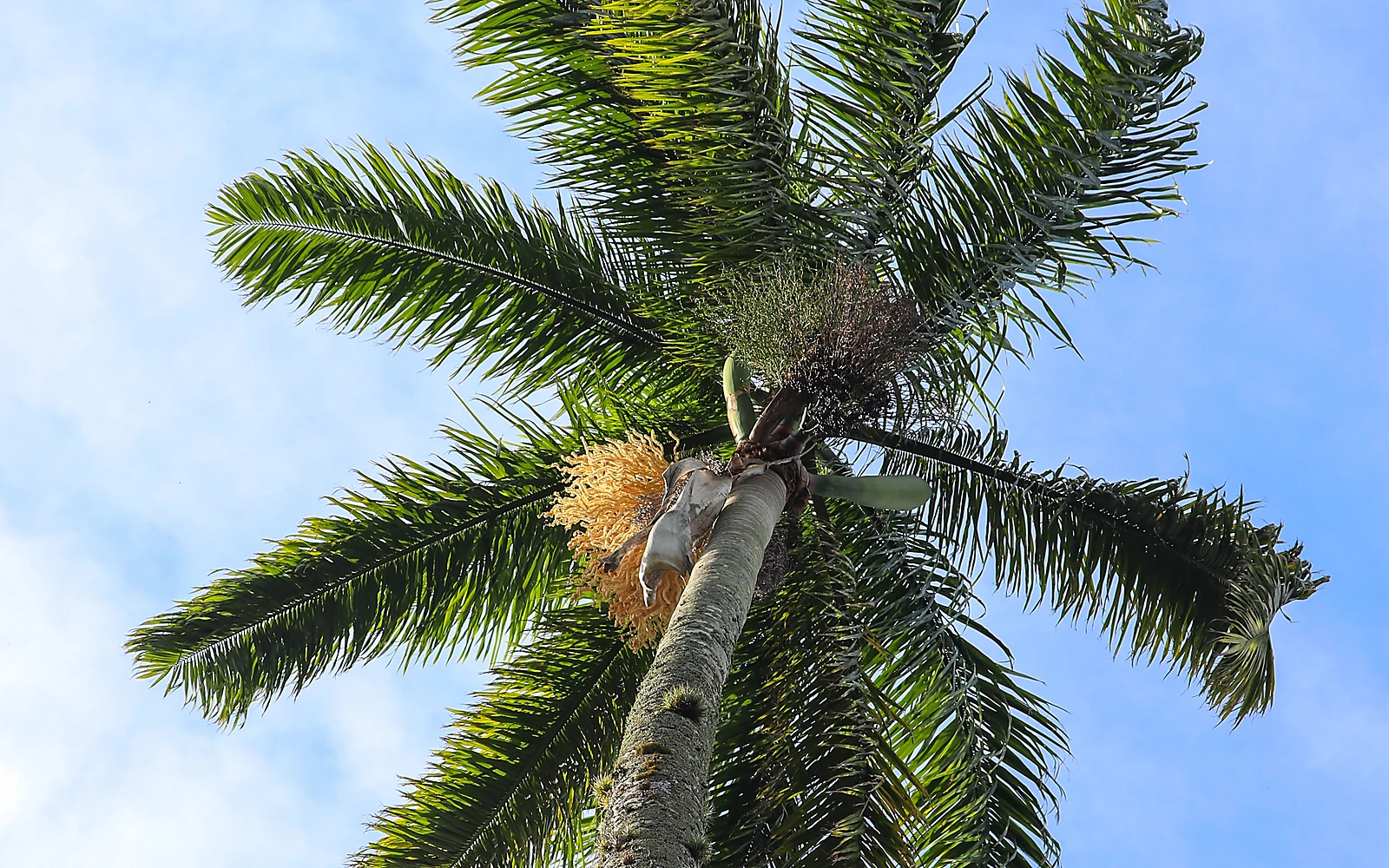
A palm close to 30 metres is specialist height work. Wind exposure can be stronger in the crown, access equipment becomes more specialised and the consequences of uncontrolled falling material increase. The height estimate, machine reach, rescue plan and crown condition should all be confirmed before work starts.
Wind, outreach and rescue planning
| Factor | Why it matters | Planning response |
|---|---|---|
| Height and outreach | Determines whether the crown can actually be reached | Estimate height plus horizontal distance |
| Access route | Machines need width, turning space and suitable ground | Send gate and driveway photos |
| Drop zone | Controls whether material can fall or must be lowered | Protect and isolate the area |
| Wind and crown condition | Can change stability and cut sequence | Confirm conditions on the day |
Planning before work starts
For this particular job, planning should answer the practical questions before anyone goes aloft. Before work starts, the palm and the property should be assessed together. Approximate height, species, crown condition, number of palms and what lies below all matter. The route from the street to the trunk can be just as important as the crown itself. Gates, slopes, soft ground, steps, walls and narrow turns can rule out a machine that would otherwise look suitable. A good first assessment avoids bringing equipment that cannot be positioned and helps distinguish routine pruning from a job that needs rigging, climbing or controlled dismantling.
Choosing the access method
Access is especially important here because the technically possible method must also fit the property. The safest access method is not always the biggest machine. A platform needs enough width, turning space, ground bearing capacity and horizontal outreach. Specialist climbing can reach crowns where machinery cannot enter, while a crane or lifting system may be appropriate for certain dismantling jobs. The best choice depends on the actual site and may change from one side of the same palm to the other. Access therefore has to be planned from the road to the final working position, not judged from a single gate photo.
Wind and working conditions
Weather becomes a live decision rather than a line on a checklist, particularly when leverage and height increase. Weather matters more as height increases. Wind that feels mild at ground level can move the crown strongly, make a platform less comfortable to work from and change the path of falling material. Rain reduces grip and can affect access on slopes or soft ground. A planned date is therefore always conditional on safe working conditions. Postponing a high job because of wind is part of responsible planning, not wasted time. Heat also matters because protective equipment and full sun increase fatigue during long periods aloft.
Controlling the area below
The safety plan should be built around the exact pieces that may move through the work zone. The area below a tall palm has to be treated as an exclusion zone. A dry frond can be surprisingly heavy and a cut trunk section can gain significant speed over a long fall. People, pets, vehicles and movable furniture should be kept away before cutting begins. Where roofs, glass, solar panels, pools or valuable planting lie below, material may need to be retained and lowered rather than dropped. The ground team is as important as the person aloft because each cut, rope movement and landing area has to be coordinated.
Reading the condition of the palm
The condition of the crown and trunk can change the sequence even when two palms look similar from a distance. The condition of the crown and trunk changes the work plan. A healthy palm with dry outer fronds behaves differently from a dead palm, a crown weakened by pests or a trunk with visible damage. Loose material may fall before it is touched and a compromised crown may not support the same access technique as a sound one. Condition should therefore be assessed before normal pruning or felling begins. If there are signs of instability, the priority may move from cosmetic maintenance to inspection, treatment or controlled removal.
What affects the price
A sensible quotation separates the visible palm from the less obvious logistics needed to work on it. Height alone does not determine the price. Two palms of the same height can require very different resources if one stands beside an open driveway and the other is behind a house with no machine access. Number of palms, crown condition, platform or climbing requirements, rigging, obstacles, distance to the loading point and the amount of waste all influence the quotation. Clear photos of the whole palm and the access help with an initial estimate. Complex jobs often justify an on-site visit before a final fixed price.
Marina Alta context
In Marina Alta, villa layouts and coastal terrain add a local layer to these general principles. Marina Alta combines coastal wind, hillside villas, pools, narrow urbanisations and properties with limited access. A method that works easily on a flat plot in Dénia may be unsuitable on a steep road in Cumbre del Sol, Balcón al Mar or Monte Pedreguer. Salt exposure and seasonal storms also influence the appearance of older fronds. We therefore ask for the exact location and access photos, not only the municipality. Local context helps plan travel, machine size, waste removal and the safest position for the team.
Practical checklist
- Mention pools, roofs, cables, glass or neighbouring property nearby.
- Tell us whether the crown is dry, damaged, leaning or recently changed.
- Keep people and vehicles out of the proposed work zone until the method is confirmed.
- Send a full photo of the palm, not only the crown.
- Photograph the gate, driveway and final access to the trunk.
- Estimate height and note the number of palms.
Related services
- Tall palm tree pruning
- Cherry picker pruning
- Palm tree pruning
- Free quote
- Pruning a 20-metre palm tree
- How to calculate the height of a palm tree
Frequently asked questions
Can every tall palm be reached with a cherry picker?
No. Machine access depends on gate width, turning space, ground conditions, slope and horizontal distance to the trunk. Where access is unsuitable, another professional method may be required.
Is height the only factor that makes pruning difficult?
No. Crown condition, wind, obstacles, access, number of palms and the way material can be controlled often matter as much as height.
Can fronds simply be dropped from a tall palm?
Only where there is a genuinely clear and controlled drop zone. Around roofs, pools, glass or people, material may need to be retained and lowered.
Can a high-palm job be estimated from photos?
Photos are useful for an initial orientation, especially when they show the whole palm and the access. Complex or very high jobs may still need an on-site assessment.
Need a professional assessment?
Send us photos of the palm and its access on WhatsApp. We can give you a first orientation and arrange a free, no-obligation quotation.